The Ultimate Guide to Organic Food Shopping
Discover essential tips and tricks for navigating the world of organic food shopping to make healthier choices.
Understanding Organic Labels
When diving into the world of organic food shopping, the first step is understanding what organic labels mean. Products labeled as 'organic' are grown and processed without synthetic fertilizers, pesticides, and genetically modified organisms (GMOs). The term 'certified organic' indicates that the product has met strict guidelines set by national or international certifying bodies. Look for labels such as 'USDA Organic' or 'EU Organic' to ensure authenticity. It's important to note that terms like 'natural' or 'free-range' do not necessarily mean organic. These labels can be misleading, so always verify the certification. Understanding these labels helps consumers make informed choices and supports the integrity of organic farming practices.
Benefits of Organic Foods
Choosing organic foods offers numerous health and environmental benefits. Organic produce is free from harmful chemicals, making it a safer choice for your family. Studies suggest that organic foods may contain higher levels of antioxidants and essential nutrients compared to their conventionally grown counterparts. Additionally, organic farming practices promote biodiversity, improve soil health, and reduce pollution from synthetic fertilizers and pesticides. By opting for organic, consumers contribute to a more sustainable and eco-friendly agricultural system. Moreover, supporting organic farms helps reduce the carbon footprint and encourages ethical treatment of animals in organic livestock farming.
Navigating Organic Produce
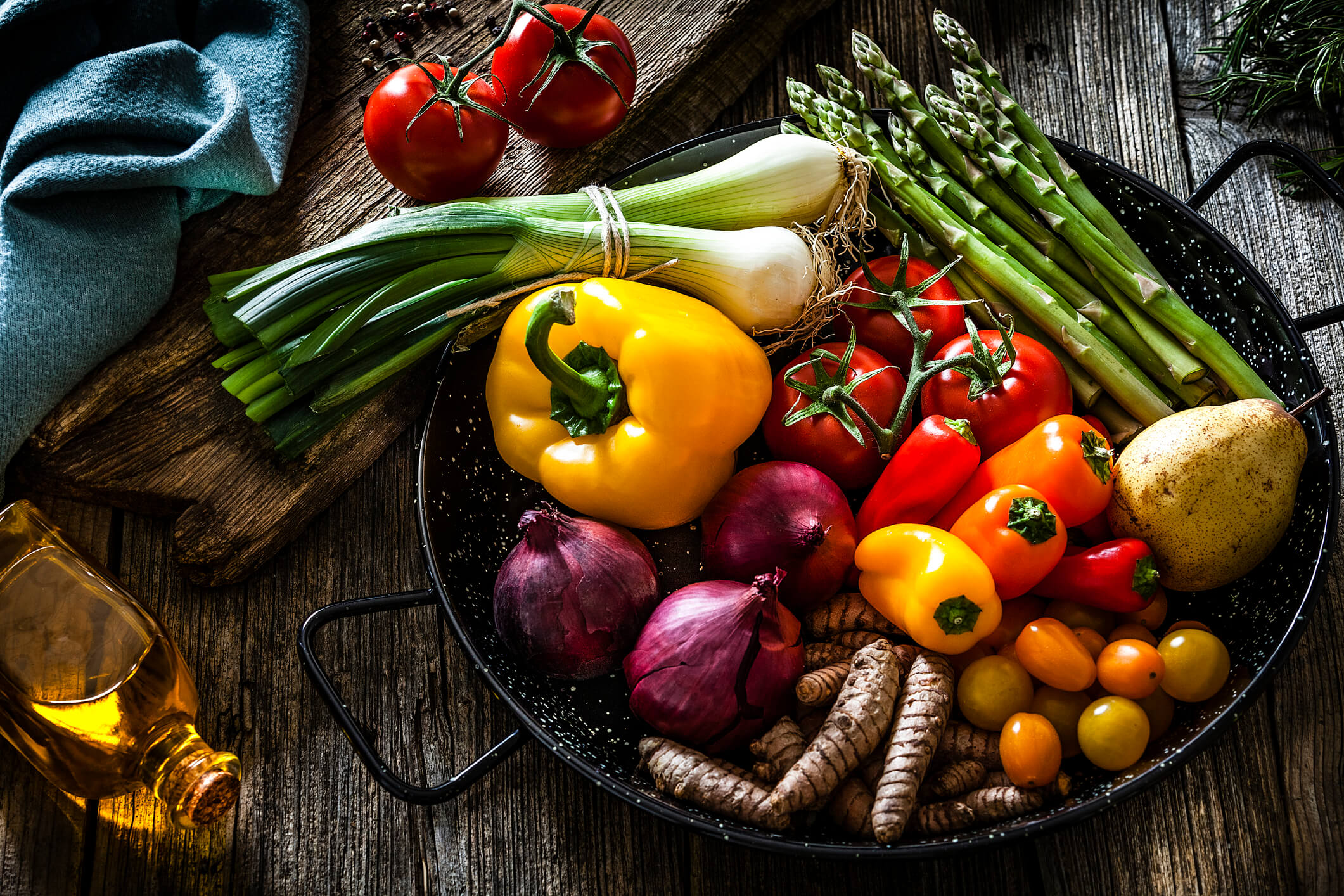
When shopping for organic produce, prioritize purchasing fruits and vegetables that are most susceptible to pesticide contamination when grown conventionally. This is often referred to as the 'Dirty Dozen', a list that highlights produce with the highest pesticide residues. Conversely, the 'Clean Fifteen' includes items with lower pesticide residues, which might not necessitate an organic label. However, if budget allows, choosing organic for all produce is ideal. Remember to inspect the freshness of organic produce, as it may spoil faster without preservatives. Buying seasonal organic produce can also be more cost-effective and ensures better quality and taste.
Organic Dairy and Meat Products
Organic dairy and meat products come from animals raised without the use of antibiotics or growth hormones. These animals are given organic feed and have access to outdoor spaces, promoting better animal welfare. Organic meat is often leaner and contains higher levels of omega-3 fatty acids, beneficial for heart health. When shopping for organic dairy, look for labels indicating '100% organic' to ensure the highest standards. Organic eggs are another popular choice, offering better taste and nutrition. Supporting organic animal products contributes to ethical farming practices and helps maintain biodiversity by encouraging natural habitats.
Shopping for Organic Packaged Foods
Not all organic products are fresh produce or meats. The market is filled with organic packaged foods such as cereals, snacks, and beverages. While these products offer convenience, it is crucial to read labels carefully. Check for added sugars, preservatives, and sodium levels, even if the product is labeled organic. Some packaged organic foods may still contain high levels of these ingredients. Choose items with minimal processing and short ingredient lists to ensure you are getting the healthiest options. Opting for organic packaged foods supports sustainable farming and reduces exposure to synthetic additives.
Budgeting for Organic Shopping
Organic foods often come with a higher price tag due to more expensive farming practices. However, there are ways to make organic shopping more affordable. Consider buying in bulk, especially for grains and dried goods, which can significantly cut costs. Joining a local co-op or participating in a community-supported agriculture (CSA) program can also provide access to organic products at a lower price. Planning meals around seasonal organic produce and utilizing coupons or store promotions can further reduce expenses. Prioritize spending on organic versions of foods you consume most frequently to make the most of your budget.
The Role of Farmers' Markets
Farmers' markets are excellent venues for finding fresh and often more affordable organic produce. Shopping at these markets supports local farmers and reduces the carbon footprint associated with transporting goods over long distances. Engage with farmers to learn about their farming practices and gain insights into the benefits of their produce. Many small farms practice organic farming methods but may not afford official certification, making farmers' markets a place to discover hidden gems. Additionally, the community atmosphere of farmers' markets enhances the shopping experience, connecting consumers directly with the source of their food.
Making the Transition to Organic
Transitioning to an organic lifestyle can be gradual and rewarding. Start by replacing a few staple items with their organic counterparts, such as milk, eggs, and certain fruits and vegetables. Educate yourself about organic farming benefits and impacts on health and the environment to reinforce your choices. As you become more familiar with organic products, expand your purchases to include a wider variety of foods. Embrace cooking at home with organic ingredients to fully appreciate their flavors and nutritional benefits. Remember, every small step towards organic consumption contributes to a healthier planet and a healthier you.