The Role of Gut Health in Overall Wellness
Explore how gut health influences immunity, mental clarity, and overall well-being, revealing its crucial role in maintaining health.
Understanding Gut Health
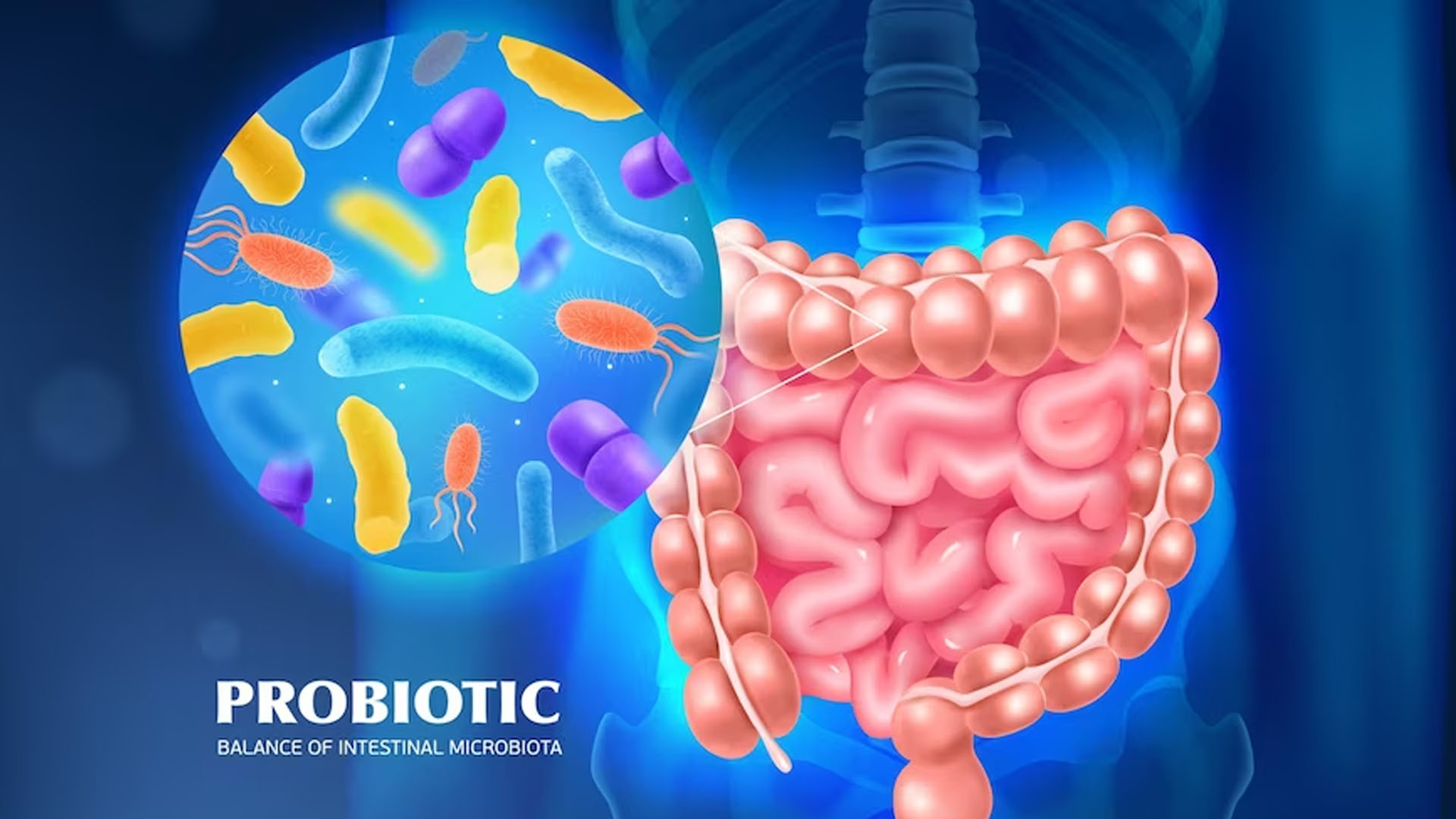
The gut, often referred to as the "secondbrain," plays a crucial role in maintaining overall health and wellness. This complex system is responsible for digesting food, absorbing nutrients, and eliminating waste. However, its influence extends beyond these basic functions. The gut is home to trillions of microorganisms, collectively known as the gut microbiome, which significantly impact various aspects of health, including the immune system, mood, and even weight management. An imbalance in this microbiome can lead to a host of health issues, ranging from digestive disorders to more systemic conditions. Thus, maintaining a balanced and healthy gut microbiome is essential for overall well-being.
Gut Health and the Immune System
A well-functioning gut is integral to a robust immune system. Approximately 70% of the immune system is housed within the gut, where it acts as a barrier against harmful pathogens. The gut microbiome communicates with immune cells, helping to regulate immune responses and prevent inflammation. When the gut is healthy, it supports the immune system in distinguishing between harmful invaders and the body's own cells, reducing the risk of autoimmune diseases. Conversely, an unhealthy gut can lead to chronic inflammation, which has been linked to a range of illnesses, including allergies, asthma, and even some cancers. Supporting gut health through diet and lifestyle choices can thus enhance immune function and overall health.
Gut-Brain Connection
The connection between the gut and the brain, often referred to as the gut-brain axis, highlights the importance of gut health in mental well-being. This bi-directional communication system involves the central nervous system, the enteric nervous system, and the gut microbiome. Neurotransmitters produced in the gut, such as serotonin and dopamine, play a crucial role in regulating mood and emotions. An imbalance in the gut microbiome can influence mental health, potentially contributing to conditions such as anxiety and depression. Therefore, nurturing gut health can have a positive impact on mental health, emphasizing the importance of a balanced diet and lifestyle.
Gut Health and Weight Management
Emerging research suggests that gut health is intricately linked to weight management. The gut microbiome influences how the body stores fat, responds to hormones that make us feel hungry or full, and regulates energy balance. Certain bacteria in the gut can extract more calories from food, contributing to weight gain, while others promote a healthy metabolism. An imbalance in gut bacteria can lead to obesity and metabolic disorders. Thus, maintaining a healthy gut through a diverse diet rich in fiber, probiotics, and prebiotics can support weight management and prevent obesity-related health issues.
Digestive Health
The primary function of the gut is digestion, and its health is paramount for efficient digestive processes. A healthy gut ensures the breakdown of food, absorption of nutrients, and elimination of waste. When the gut is compromised, it can lead to digestive issues such as bloating, constipation, diarrhea, and irritable bowel syndrome (IBS). These conditions can significantly affect quality of life and overall health. Supporting digestive health through a balanced diet, staying hydrated, and managing stress can promote a healthy gut environment, ensuring optimal digestive function and nutrient absorption.
Diet and Gut Health
Diet plays a fundamental role in shaping the gut microbiome. Consuming a diverse range of foods, particularly those rich in fiber, supports the growth of beneficial bacteria. Foods such as fruits, vegetables, whole grains, and legumes are excellent sources of dietary fiber. Additionally, incorporating probiotics and prebiotics into the diet can enhance gut health. Probiotics, found in fermented foods like yogurt and sauerkraut, introduce beneficial bacteria to the gut, while prebiotics, found in foods like garlic and onions, provide nourishment for these bacteria. A balanced diet that includes these elements can help maintain a healthy gut microbiome.
Lifestyle Factors Influencing Gut Health
Beyond diet, several lifestyle factors can impact gut health. Stress management is crucial, as chronic stress can negatively affect the gut microbiome and lead to digestive issues. Regular physical activity is also beneficial, as it promotes healthy digestion and encourages the growth of beneficial gut bacteria. Adequate sleep is another important factor, as it allows the body to repair and regenerate, supporting overall health. Avoiding smoking and limiting alcohol consumption can further protect gut health. By incorporating these lifestyle habits, individuals can support their gut health and, consequently, their overall wellness.