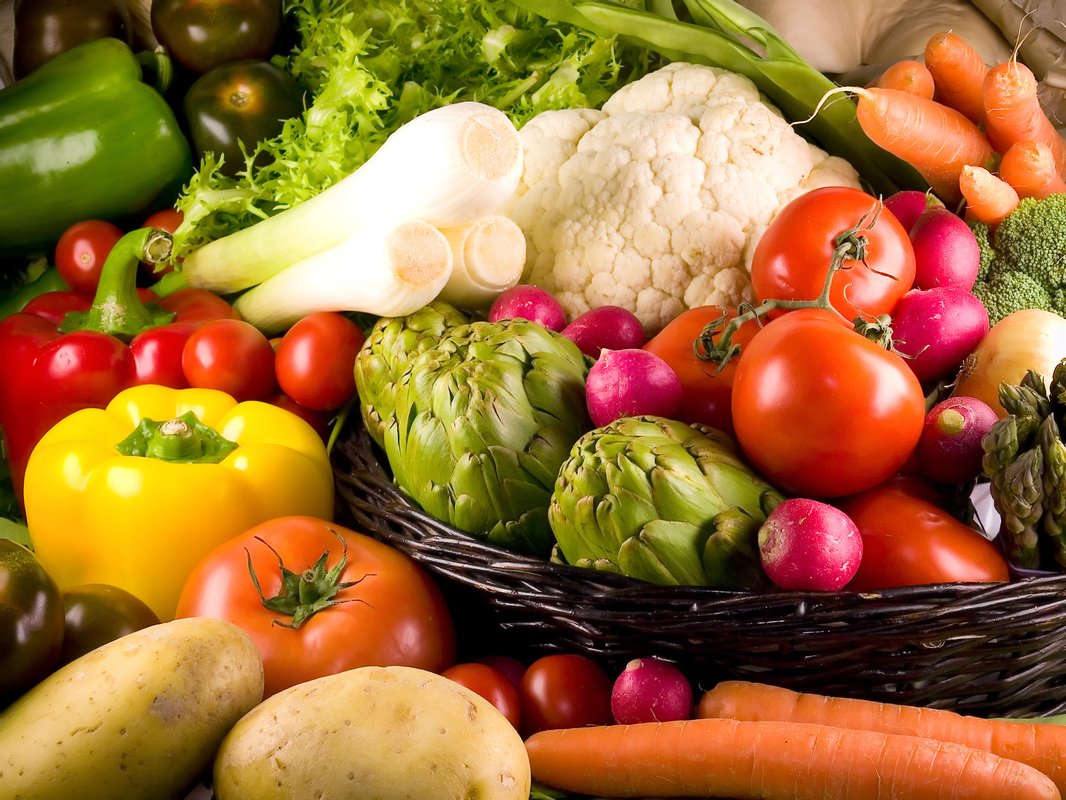
Grocery Store Secrets: Insider Tips for Fresh Finds
Discover how to pick the freshest produce and uncover hidden gems in your local grocery store with these insider tips.
Understanding the Layout
When you first step into a grocery store, it might seem like a maze of aisles and shelves. However, there's a method to this madness. Store layouts are strategically designed to maximize the time and money you spend. Fresh produce is typically placed near the entrance to entice you with vibrant colors and fresh scents, setting the tone for a healthy shopping experience. As you move through the store, you'll often find staple items like milk and eggs located at the back. This forces you to walk past other tempting products, increasing the likelihood of unplanned purchases. Knowing this, you can plan your route to avoid unnecessary temptations. Start by making a list and stick to the outer aisles where fresh foods are usually located, minimizing your exposure to processed goods found in the inner aisles.
Timing Your Visit
Timing can make a significant difference in the quality and freshness of your groceries. Stores often restock overnight, meaning that early morning visits can offer the freshest selections. If you aim to get the freshest fruits, vegetables, or bakery items, try to shop as soon as the store opens. Additionally, some stores offer discounts on perishable items later in the day to reduce waste, so if you're looking for bargains, consider visiting in the late afternoon. Avoid peak hours, typically late afternoon and early evening, to enjoy a more relaxed shopping experience. Shopping during these quieter times not only helps you focus on your list but also gives you access to freshly stocked items without the stress of navigating through crowded aisles.
The Power of Seasonal Shopping
One of the best-kept secrets to finding fresh produce is to shop seasonally. Fruits and vegetables that are in season are not only more flavorful but also often more affordable. For instance, berries are at their best in the summer, while root vegetables like carrots and potatoes shine in the fall. Shopping seasonally means you're more likely to buy locally sourced produce, reducing the carbon footprint and supporting local farmers. This practice also ensures that you're getting the most nutritious options available, as produce picked at its peak ripeness retains more nutrients. Keep an eye on the store's weekly circulars or signage for seasonal highlights, which can guide you toward the freshest picks.
Engaging with Store Staff
Don't underestimate the value of engaging with the store staff. Employees in departments like produce, meat, and seafood can offer invaluable insights into what's freshest or about to go on sale. They can also provide tips on how to select the best items or suggest alternatives if something on your list isn't available. Building a rapport with the staff can sometimes lead to insider tips about upcoming promotions or new products. Additionally, many stores offer samples or cooking demonstrations that can inspire your next meal. By taking the time to converse with the staff, you're not just getting better products but also enriching your shopping experience with knowledge and community connections.
Navigating Label Lingo
Understanding the language of labels can empower you to make healthier and more informed choices. Terms like "organic," "non-GMO," and "free-range" are commonly seen but often misunderstood. Organic products are grown without synthetic pesticides or fertilizers, while "non-GMO" indicates that the food is free from genetically modified organisms. "Free-range" typically refers to livestock that has had some access to the outdoors. Familiarizing yourself with these terms can help you align your purchases with your dietary preferences and values. Additionally, pay attention to expiration dates and packaging integrity, as these are key indicators of freshness. By decoding label lingo, you're better equipped to navigate the grocery store aisles with confidence and make choices that reflect your health goals.