Cultural Immersions: Experiencing Traditions from Around the World
Explore the world's vibrant cultures through unique traditions, from festivals to culinary delights, enriching your global perspective.
Introduction to Cultural Immersion
Traveling is more than just visiting new places; it's about diving deep into the heart of a destination and experiencing its rich traditions. Cultural immersion allows travelers to connect with local communities, understand their way of life, and appreciate their customs. By stepping out of the tourist bubble and engaging with the local culture, travelers can gain a deeper appreciation of the world's diversity. This form of travel not only enriches personal experiences but also fosters a greater understanding and respect for global traditions.
The Art of Local Cuisine
One of the most delightful ways to immerse oneself in a new culture is through its cuisine. Every dish tells a story, reflecting the history, climate, and agricultural practices of a region. From the vibrant spices of Indian curries to the delicate flavors of Japanese sushi, food is a universal language that brings people together. Participating in a local cooking class or visiting bustling food markets offers a firsthand experience of culinary traditions, providing insights into the daily lives of locals and the importance of food in cultural identity.
Traditional Festivals and Celebrations
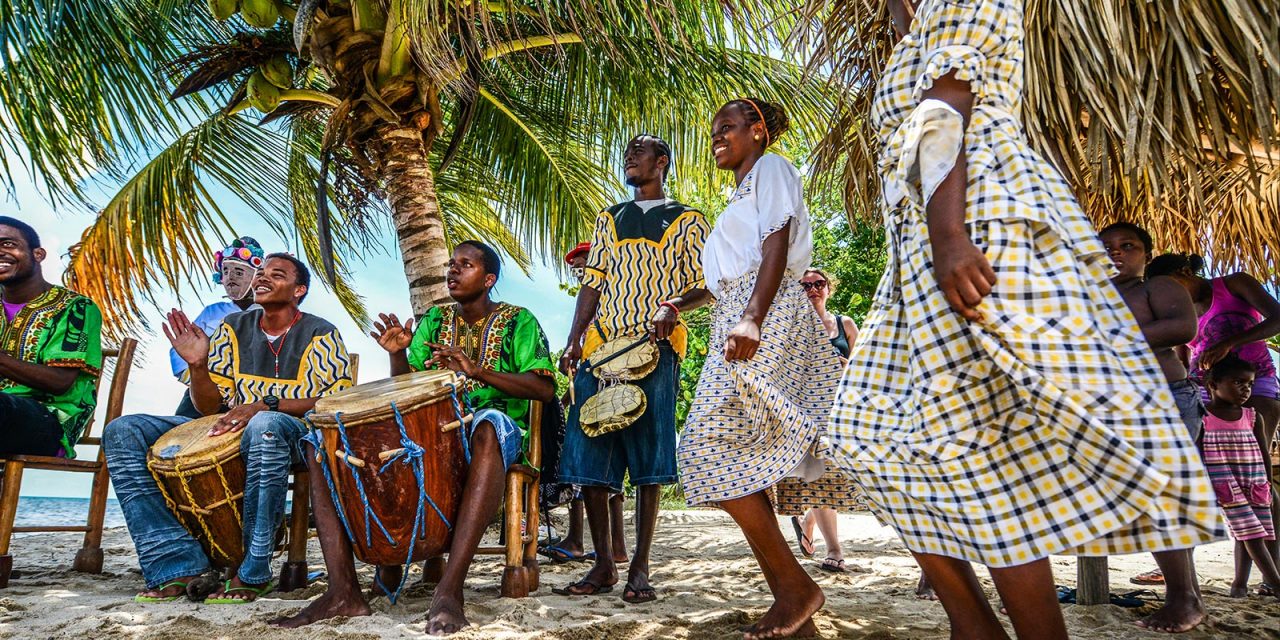
Festivals are a window into the soul of a culture, showcasing its history, beliefs, and community spirit. Participating in local festivals offers travelers a chance to witness traditions in action, from the colorful parades of Carnival in Brazil to the solemn rituals of Day of the Dead in Mexico. These events often involve music, dance, costumes, and communal gatherings, providing an immersive experience that highlights the values and stories that shape a community. Engaging in these celebrations allows travelers to connect with locals on a deeper level, fostering mutual respect and understanding.
Language as a Cultural Bridge
Language is a powerful tool for cultural immersion, offering insights into the mindset and values of a community. Learning a few basic phrases in the local language can open doors to meaningful interactions and show respect for the host culture. Language classes or conversational exchanges with locals can deepen this connection, providing a better understanding of cultural nuances and communication styles. Embracing the local language, even in small ways, enriches travel experiences and helps bridge cultural gaps, creating memorable interactions and friendships.
Arts and Crafts: A Hands-On Experience
Engaging with local arts and crafts offers a tactile experience of cultural traditions. From pottery-making in Mexico to weaving in Peru, these traditional crafts are often passed down through generations, preserving cultural heritage. Participating in workshops or visiting artisan markets allows travelers to appreciate the skill and creativity involved in these crafts. This hands-on experience not only supports local artisans but also provides a deeper understanding of the cultural significance behind each piece, fostering a greater appreciation for the artistic expressions of different communities.
The Role of Religion and Spirituality
Religion and spirituality play a significant role in shaping cultural practices and values. Visiting religious sites, attending services, or participating in spiritual rituals can offer profound insights into the beliefs and traditions of a culture. Whether it's observing the quiet reflection in a Buddhist temple or the vibrant ceremonies in an African village, these experiences highlight the spiritual dimensions that influence daily life. Understanding the religious context of a culture enhances travel experiences, promoting empathy and respect for diverse spiritual practices.
Sustainable Cultural Engagement
While cultural immersion offers enriching experiences, it's essential to approach it responsibly. Respect for local customs, traditions, and the environment should guide interactions with host communities. Supporting local businesses, respecting cultural sensitivities, and being mindful of the impact of tourism are crucial for sustainable engagement. Travelers should strive to leave a positive impact, fostering cultural exchange that benefits both visitors and locals. By embracing sustainable practices, cultural immersion can be a force for good, promoting global understanding and preserving the rich diversity of our world.